Greek Souvlaki: Marinades and Grilling Tips for Perfect Meat
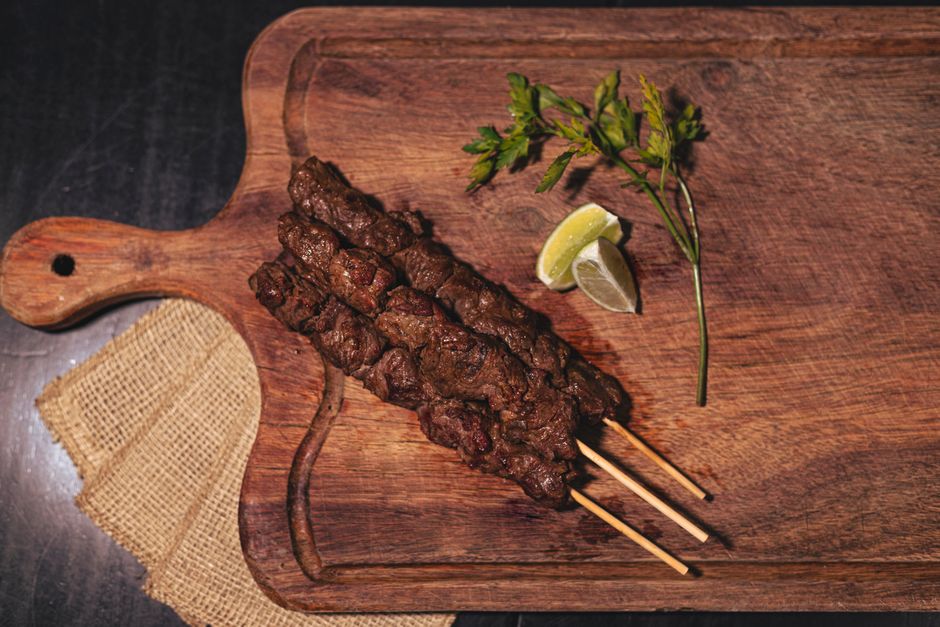
Greek souvlaki is a dish built on simplicity. Small pieces of meat, threaded onto skewers and grilled over charcoal, rely on a few key ingredients for their characteristic flavor and texture. The marinade, typically a combination of lemon, oregano, and olive oil, plays a central role in preparing the meat before it reaches the heat. Understanding how these components work together, along with the techniques used for grilling, can help anyone create souvlaki that is both flavorful and tender.
The process involves more than just mixing ingredients and placing meat on a fire. Factors such as the cut of meat, the duration of marination, the temperature of the coals, and the method of turning the skewers all influence the final result. While the basic formula is straightforward, small adjustments in each step can lead to noticeable differences in texture and taste. This article explains the principles behind the marinade and the grilling process, focusing on how each element contributes to the overall outcome.
Choosing the Right Meat
The foundation of any souvlaki is the meat itself. Pork and chicken are the most common choices, though lamb and beef are also used in some variations. For pork, cuts such as pork shoulder or pork loin offer a balance of lean meat and marbling. Shoulder contains more fat, which can help keep the meat moist during grilling, while loin is leaner and may require more attention to avoid drying out. Chicken thighs are often preferred over breasts because their higher fat content provides more moisture and flavor under high heat.
When preparing the meat, cutting it into uniform pieces is important. Irregular sizes can lead to uneven cooking, where smaller pieces become overcooked while larger pieces remain underdone. Pieces around one to one and a half inches allow for a good surface area to absorb the marinade while cooking through evenly on the skewer. Trimming excess fat and silver skin also helps the marinade penetrate more consistently.
The Classic Marinade: Lemon, Oregano, and Olive Oil
The traditional souvlaki marinade is built around three core ingredients, each serving a specific purpose. Lemon juice provides acidity, which can help break down some of the proteins on the surface of the meat. This action may contribute to a more tender texture, particularly when the meat is not marinated for too long. The acidity also adds a bright, fresh flavor that complements the richness of the olive oil and the earthiness of the oregano.
Olive oil acts as a carrier for the other flavors and helps coat the meat evenly. During grilling, the oil can aid in browning and may reduce the risk of sticking to the grill grates. Extra virgin olive oil, with its more pronounced taste, is commonly used, though a lighter olive oil can also work if a milder flavor is desired. Dried oregano is the traditional herb, though fresh oregano may be used as well. The herb’s aromatic notes are characteristic of Greek cuisine and pair well with both pork and chicken.
Additional ingredients such as minced garlic, salt, and black pepper are often included. Salt not only seasons the meat but also helps the marinade penetrate deeper by drawing moisture to the surface. Garlic adds pungency, though it should be used in moderation to avoid overpowering the other flavors. Some recipes incorporate a small amount of mustard or a splash of white wine, but the classic combination remains lemon, oregano, and olive oil.
Marinating: Time, Temperature, and Technique
The duration of marination affects both flavor and texture. For pork and chicken, a minimum of one to two hours is generally recommended to allow the flavors to develop. Marinating overnight, typically between eight and twelve hours, can result in a more pronounced taste. However, the acidic component of the marinade means that longer marination, especially beyond twenty-four hours, may begin to alter the texture of the meat in an undesirable way. The surface can become mushy or overly soft if left in the acidic mixture for too long.
Temperature control during marination is a matter of food safety. The meat should always be kept refrigerated while marinating, not left at room temperature. Placing the meat and marinade in a sealed container or a resealable plastic bag ensures even coverage and reduces the risk of contamination. Turning or massaging the bag occasionally can help distribute the marinade more evenly around the pieces. Before grilling, the meat should be removed from the refrigerator and allowed to rest at room temperature for about fifteen to twenty minutes. This step helps the meat cook more evenly, as starting from a cold temperature can cause the exterior to char before the interior is cooked through.
After marinating, the meat is typically patted dry with paper towels to remove excess liquid. Excess moisture on the surface can create steam rather than searing when it hits the grill, which may inhibit browning. Removing the marinade also reduces the risk of flare-ups from dripping oil and lemon juice.
Grilling Over Charcoal
Charcoal grilling is the traditional method for cooking souvlaki, and it imparts a smoky character that is difficult to replicate with gas or electric grills. The process begins with lighting the charcoal and allowing it to reach the proper temperature. For souvlaki, a medium to medium-high heat is generally suitable. The coals should be covered with a light gray ash before cooking begins, which indicates they are evenly hot. Holding a hand about five inches above the grate should allow for about three to four seconds before the heat becomes uncomfortable. If the heat is too high, the outside of the meat may burn before the inside is cooked; if it is too low, the meat may dry out before achieving any browning.
Skewering the meat is another step that can influence the final result. Metal skewers conduct heat and can help cook the meat from the inside, while wooden skewers need to be soaked in water for at least thirty minutes to prevent burning. When threading the pieces, leaving a small gap between them allows hot air to circulate, promoting even cooking. Overcrowding the skewers can cause the meat to steam rather than sear.
Once the skewers are on the grill, turning them regularly encourages consistent browning. Depending on the size of the pieces and the temperature, pork or chicken souvlaki typically cooks in about ten to fifteen minutes. A meat thermometer can provide more reliable results: pork should reach an internal temperature of 145°F, and chicken should reach 165°F. Letting the skewers rest for a few minutes after removing them from the grill allows the juices to redistribute within the meat, which can improve moisture retention.
Accompaniments and Final Considerations
Souvlaki is often served with pita bread, sliced tomatoes, red onion, and tzatziki sauce. The cool, creamy sauce provides a contrast to the warm, smoky meat. Side dishes such as Greek salad or roasted potatoes can also be included. When assembling a souvlaki wrap, the order of ingredients and the temperature of the components can affect the overall texture. Wrapping the pita around the meat and toppings immediately can soften the bread, while allowing each person to assemble their own wrap keeps the bread crisper.
The methods described here are based on common practices in Greek cooking and are intended as a guide for those exploring this style of grilling. Results can vary depending on the specific ingredients, equipment, and environmental conditions. Adjusting marination times, grill temperature, and even the choice of wood for charcoal can lead to different outcomes. The key is to observe how each variable influences the final dish and to adapt based on personal preference. EuroBites, as a brand focused on Mediterranean flavors, recognizes the importance of understanding these traditional techniques for anyone interested in preparing souvlaki at home.